Kurultai, People’s Council, and Vice President: How System of Government in Kazakhstan to Change
20 January 2026
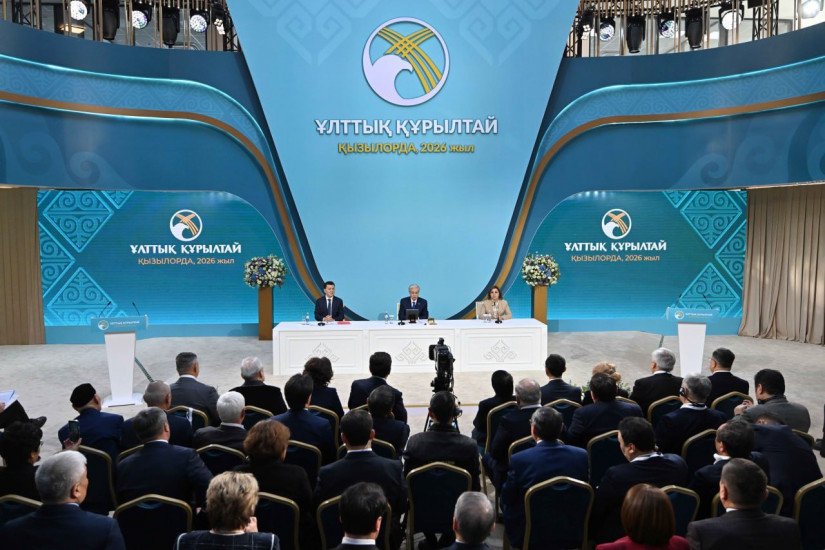
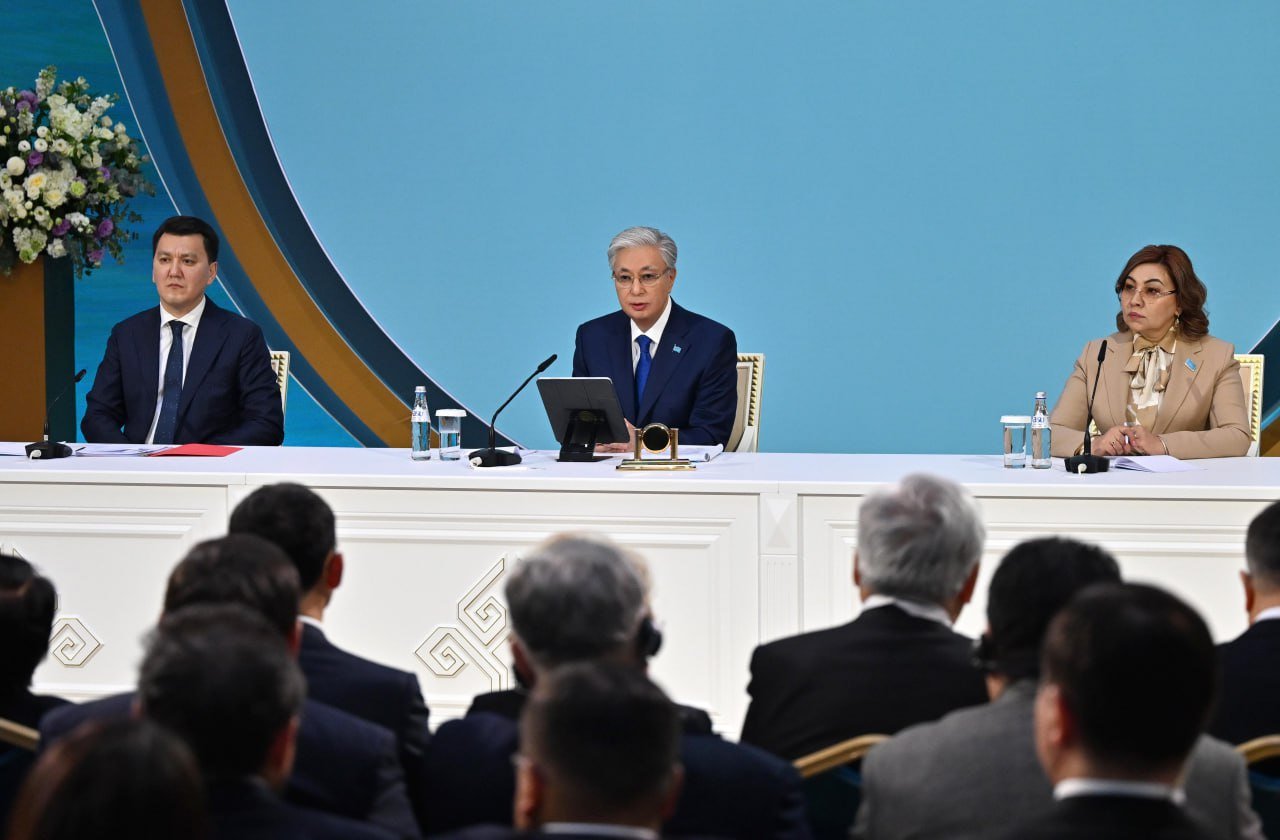
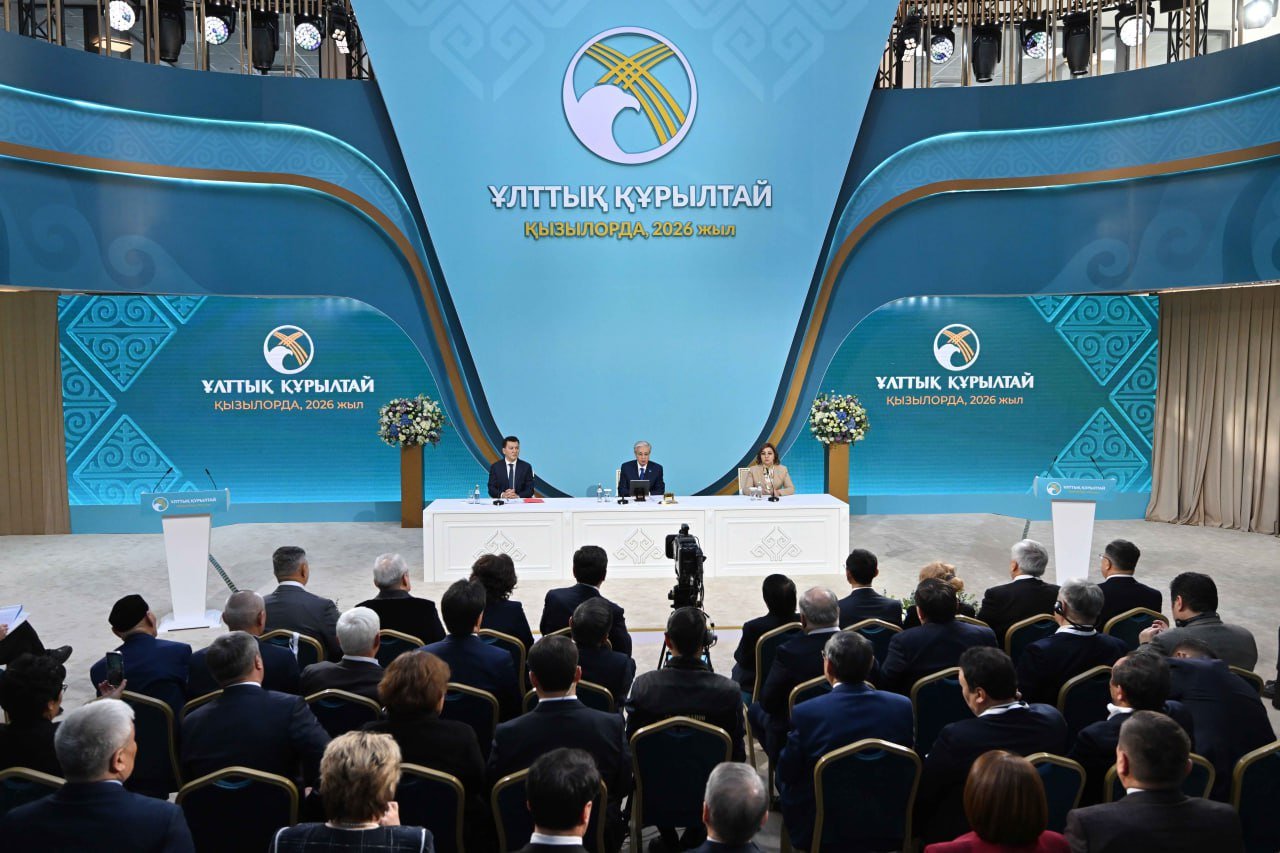
President of Kazakhstan Kassym‑Jomart Tokayev presented proposals for modernizing the republic’s political system at a meeting of the National Kurultai.
According to the proposed changes, Kazakhstan will transition to a unicameral Parliament, which will receive the historical name Kurultai. It will comprise 145 members elected under a proportional representation system. It is expected that the new Parliament will have three Deputy Speakers.
The electoral threshold for political parties will remain at 5 %, which, according to the President, has already proven its effectiveness: for the first time in the country’s history, six parties won seats in the Majilis.
At the same time, the presidential quota and the special quota of the Assembly of the People of Kazakhstan will be abolished. However, quotas for women, youth, and persons with disabilities will be retained as a guarantee of social justice and inclusivity.
At the regional level, the majority system for elections to the Maslikhats (local representative bodies) will remain unchanged, to ensure that “the voice of regional residents is clearly heard.”
The new Kurultai will enjoy expanded powers: it will grant consent for the appointment of all members of the Constitutional Court, the Supreme Audit Chamber, and the Central Election Commission. Also it will elect judges of the Supreme Court upon the President’s nomination.
According to the Head of State, this will represent “a major step in the development of Kazakhstani parliamentarism and the strengthening of the system of checks and balances.”
At the same time, a new supreme advisory body – the People’s Council of Kazakhstan – is being established. It will comprise 126 members: 42 representatives from ethnocultural associations; 42 from major public associations; 42 from Maslikhats and regional public councils.
The Council will have the right of legislative initiative. The Council’s members will be appointed by the President, while the Chair will be elected by its members.
The Council’s highest body will be the session, which must be convened at least once a year. The Council will assume the core functions of the Assembly of the People of Kazakhstan related to interethnic and interfaith harmony. Additionally, the new body will develop proposals to improve domestic policy.
A Vice‑President position is being introduced. The Vice‑President will be appointed by the President with the consent of Parliament. In the event of early termination of the Head of State’s powers, an extraordinary election will be held within two months.
Substantive amendments to the Constitution are proposed: the preamble will include provisions on national values, on building a Just Kazakhstan, on protection of personal digital data, on nature protection.
To prepare the final draft of the amendments, a Constitutional Commission has been established. It is chaired by the head of the Constitutional Court and includes over 100 representatives from civil society, government, and the expert community. All proposals will be submitted to a nationwide referendum.
“In 2022, 33 articles of the Constitution were updated. The upcoming changes will be even more extensive. In essence, we are on the verge of a step equivalent to adopting a new Constitution,” – noted the Head of State.
On 21 January, the Constitutional Commission will be formed. It will review and consolidate all proposals, after which the date for the nationwide referendum on the reforms will be set.